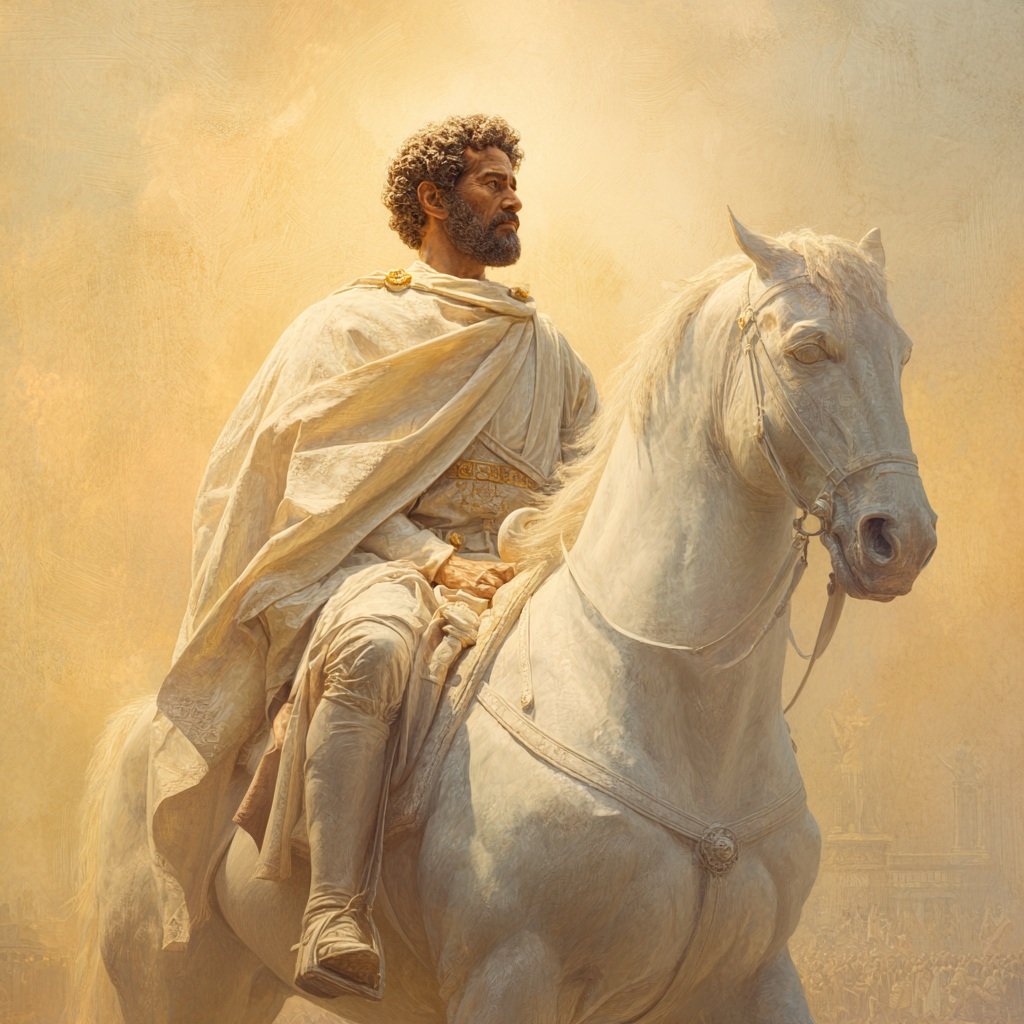
Nicolas Flamel and the Philosopher’s Stone: Uncovering the Secrets of a Timeless Legend

Amidst the narrow streets of 14th-century Paris, beneath the looming shadows of Gothic cathedrals and the bustle of crowded market squares, lived a man whose name would become a symbol of mystery, wisdom, and the eternal search for truth – Nicolas Flamel.
A Real Man with a Legendary Story
Nicolas Flamel was born around 1330 and, according to historical records, died in 1418. He was an educated scribe, a bookseller, and later a generous patron of the arts and religion. Though he acquired considerable wealth during his lifetime, Flamel was never known for seeking fame or fortune. Instead, he quietly used his riches to fund chapels, support hospitals, and care for the poor.
He lived during a time when books were rare treasures and literacy a privilege. As a man of letters, Flamel stood out not just for what he knew, but for how he used his knowledge.
And yet, it wasn’t his generosity or social standing that made his name echo through time – it was the legend that would grow long after his death: a tale of alchemy, immortality, and forbidden knowledge.
The Search for the Philosopher’s Stone
Legend has it that Nicolas Flamel discovered a mysterious book, written in an unknown language and filled with strange alchemical symbols. Some versions of the tale call it the Book of Abraham the Jew, said to hold ancient and arcane wisdom passed down through the ages.
For years, Flamel toiled over its cryptic pages, desperately seeking to unlock its meaning. His quest eventually led him on a pilgrimage to Santiago de Compostela, where he encountered a learned man – perhaps an alchemist or mystic – who helped him decipher the manuscript’s secrets.
That book was believed to contain the key to creating the Philosopher’s Stone – a legendary substance said to turn base metals into gold and grant eternal life.
According to legend, Flamel and his beloved wife Perenelle succeeded in their alchemical quest. Some even whisper that the two still walk among us, unseen in the shadows of Paris, untouched by time.
More Than Gold – The Transformation of the Soul
Whether or not Flamel truly discovered how to turn lead into gold isn’t what matters most. His real alchemy, many believe, was the transformation of the soul – not of metals, but of the human spirit.
Sometimes the journey toward knowledge changes a person more than the goal itself.
Flamel’s life reflects this truth: he was not just a scholar, but a seeker – one who never stopped learning, questioning, or evolving. His pursuit of wisdom wasn’t driven by greed, but by a deeper hunger for meaning and transcendence. In this sense, he represents the alchemist in all of us.
Perhaps that’s why his name lives on – not just in the pages of Harry Potter or in the worlds of video games like Assassin’s Creed, but as a symbol of the eternal quest to discover something greater within ourselves.
Why Does He Still Fascinate Us?
Nicolas Flamel awakens in us the desire for wisdom, for spiritual growth, and for the courage to rise above the ordinary. In an age when knowledge was rare and guarded, he pursued it with quiet determination and patience. He didn’t merely seek answers – he sought meaning. He sought himself.
Perhaps he fascinates us because he reflects something deeply human: the belief that there is always more to discover – not just in the world, but within ourselves.
His story reminds us of something essential: never stop searching, questioning, or evolving. What matters is not just what we find, but who we become in the process.
Nicolas Flamel is not just a figure of legend. He represents the timeless archetype of the seeker – one who embarks on a quest for truth and, in doing so, transforms both himself and the world around him.
Perhaps you, too, carry your own “Philosopher’s Stone” – not hidden in ancient manuscripts or secret formulas, but waiting quietly within. The real alchemy begins with the courage to look inward.